Click Here to Sign Up for Your Free Fitness and Muscle Magazine
Lee Priest Forearm Workout
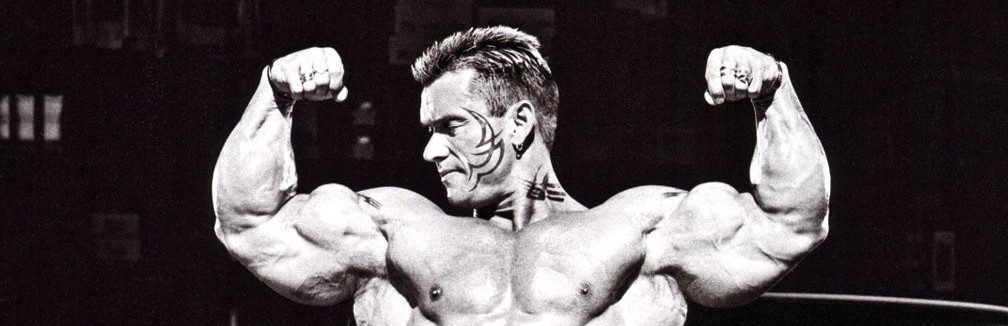
Lee Priest, a renowned professional bodybuilder, is well-known for his impressive forearm development, which complements his overall muscular physique. His forearm workouts emphasize not just strength but also density and vascularity, crucial for a balanced and aesthetic look. Understanding his approach can help athletes and fitness enthusiasts sculpt strong, defined forearms.
Training Philosophy and Exercises
Lee Priest, known for having some of the most impressive forearms in bodybuilding history, emphasizes high volume, high repetitions, and training to failure to achieve a massive "pump".
Priest advocates for high-intensity training with a focus on both wrist and grip strength. His routine often includes heavy, controlled movements designed to target the forearm flexors and extensors, key muscles responsible for wrist and finger movements.
Wrist Curls: Performed with a barbell or dumbbells, this exercise targets the forearm flexors. Lee emphasizes slow, deliberate reps with a full range of motion to maximize muscle engagement.
Reverse Wrist Curls: This movement focuses on the forearm extensors. Lee incorporates these to ensure balanced forearm development, preventing muscular imbalances.
Hammer Curls: While primarily targeting the brachialis, hammer curls also engage the forearms significantly, contributing to overall arm thickness.
Thick Bar Training or Fat Gripz: Using thicker bars or grips increases the demand on the forearm muscles, improving grip strength and muscle size.
Farmer's Walks: Carrying heavy weights for distance or time enhances grip endurance and forearm density, a staple in Lee's functional strength regimen.
Training Tips Inspired by Lee Priest
Lee Priest stresses consistency and progressive overload—gradually increasing weights or reps to stimulate growth. He also recommends incorporating forearm exercises into your routine 2-3 times per week, avoiding overtraining but ensuring frequent stimulus. Additionally, Priest highlights the importance of proper wrist positioning and controlled movement to prevent injury and maximize muscle recruitment.
Conclusion
Lee Priest's forearm workout is a blend of traditional and innovative exercises, emphasizing both strength and aesthetics. His methodical approach to forearm training, focusing on balance, intensity, and technique, offers valuable insights for anyone aiming to build powerful, well-defined forearms. Incorporating these principles can lead to noticeable improvements in forearm size, strength, and overall arm appearance.
Click Here to Sign Up for Your Free Fitness and Muscle Magazine
